
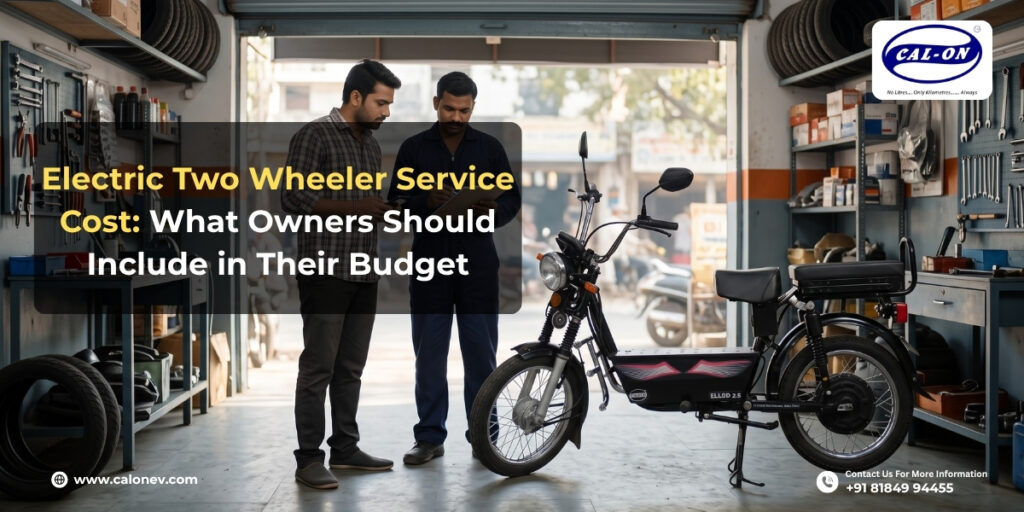
Buying an electric two-wheeler can make everyday travel more convenient and help reduce fuel expenses. But just like any vehicle, an electric scooter or bike needs regular care to remain safe, reliable, and efficient. While electric vehicles generally have fewer moving parts than petrol-powered vehicles, owners still need to budget for inspections, tyres, brakes, electrical components, and occasional repairs.
Understanding the electric two wheeler service cost before purchasing helps you plan your finances more confidently. Instead of focusing only on the vehicle’s purchase price, it is worth considering the expenses you may encounter throughout the year.
In this guide, we will explore the main maintenance expenses, the factors that influence servicing bills, and practical ways to keep ownership costs under control.
Why Understanding Electric Two Wheeler Service Cost Matters
An electric two-wheeler does not require engine oil changes, spark plug replacements, or many of the routine engine-related services associated with petrol vehicles. However, that does not mean maintenance is completely free.
The electric scooter maintenance cost depends on how frequently you ride, the condition of your roads, your riding habits, and the quality of the vehicle’s components. Someone who travels a few kilometres daily may have different maintenance needs from a delivery rider who covers long distances every day.
Planning for maintenance offers several benefits:
- It helps prevent unexpected expenses from disrupting your monthly budget.
- Regular inspections can identify small issues before they become expensive repairs.
- Proper battery care can support long-term performance.
- Timely servicing improves safety and riding comfort.
- Keeping service records may help with warranty-related claims.
When estimating the electric two wheeler service cost, remember that routine servicing and unexpected repairs are two separate expenses. Your budget should account for both.
1. Routine Servicing and Inspection Charges
Routine inspections are an important part of owning an electric two-wheeler. Depending on the manufacturer’s recommendations, a service visit may include checking the brakes, tyres, suspension, lights, wiring, fasteners, and electrical connections.
The electric two wheeler servicing charges can vary by brand, service centre, vehicle model, and the work required. Some service visits may involve only inspection and minor adjustments, while others may require replacement parts or additional labour.
Before visiting a service centre, check your owner’s manual for the recommended service schedule. Ask the technician to explain which tasks are necessary and which are optional.
You should also confirm whether your vehicle comes with complimentary services. Even when labour is included, consumables or replacement parts may be charged separately.
For a realistic budget, set aside money for scheduled inspections rather than waiting until a problem appears.
2. Battery Health and Replacement Planning
The battery is one of the most important components of an electric two-wheeler. Its condition influences the vehicle’s range, charging performance, and long-term usability.
The electric scooter battery replacement cost can be a significant expense if the battery eventually needs replacement outside the warranty period. The actual amount depends on battery chemistry, capacity, manufacturer, availability, and whether the battery is covered by warranty.
You do not necessarily need to replace a battery simply because its performance changes slightly over time. Gradual capacity loss can occur with regular use. However, a noticeable reduction in range, charging irregularities, warning indicators, or other unusual behaviour should be checked by an authorised technician.
You can help protect battery health by following a few simple practices:
- Use the charger recommended by the manufacturer.
- Avoid exposing the vehicle to extreme temperatures for extended periods.
- Follow the charging guidance in the owner’s manual.
- Keep the charging port clean and dry.
- Get unusual battery or charging behaviour inspected promptly.
Battery expenses should be treated as a possible long-term cost rather than an annual replacement requirement.
3. Tyres, Brakes, and Other Wear-and-Tear Parts
Although electric two-wheelers have fewer engine-related service requirements, their mechanical components still experience wear.
Tyres may need replacement due to tread wear, punctures, or damage caused by rough roads. Brake pads or other braking components may also require attention depending on the braking system and riding conditions.
The electric scooter spare parts cost varies according to the component, model, brand, and availability. Genuine parts may cost more initially than some alternatives, but they can offer better compatibility and help maintain the vehicle’s intended performance.
Common items to include in your budget are:
- Tyre repairs and replacement
- Brake pad or brake component replacement
- Bearings and suspension-related repairs
- Lights, switches, and indicators
- Cables, connectors, and minor electrical components
These expenses do not necessarily occur during every service visit. Their frequency depends on usage and condition.
Inspecting tyres regularly, responding to unusual noises, and getting brakes checked when performance changes can help you avoid more expensive repairs.
4. How Usage Influences EV Maintenance Cost in India
The EV maintenance cost in India varies widely because electric two-wheelers are used for different purposes and operate in different conditions.
A person using an electric scooter for a short office commute may have relatively modest maintenance needs. A commercial rider making frequent deliveries may experience faster tyre wear, more frequent brake inspections, and greater overall component usage.
Several factors influence your yearly spending:
Daily distance: More kilometres generally mean more wear on tyres and mechanical components.
Road conditions: Potholes, uneven surfaces, and debris can damage tyres, suspension parts, and other components.
Weather and storage: Exposure to harsh weather can affect certain electrical and mechanical parts if the vehicle is not properly protected.
Riding style: Sudden braking, aggressive acceleration, and carrying loads beyond the manufacturer’s limits can increase wear.
Service availability: Labour rates, authorised workshop access, and spare-part availability differ by location.
When comparing vehicles, look beyond advertised range and purchase price. Check the availability of service centres and ask about routine maintenance requirements for your intended usage.
5. Understanding Repair and Labour Expenses
Not every maintenance visit involves a major replacement. Sometimes, an issue may require a diagnostic check, a software update where supported, a wiring inspection, or a minor adjustment.
The electric scooter repair cost depends on the problem, the time required to diagnose it, and the parts involved. A simple adjustment may be relatively inexpensive, while damage to a major electrical component can result in a much larger bill.
Similarly, the electric bike servicing cost depends on the vehicle’s design, the service provider, and whether the work involves routine checks or component replacement.
To avoid surprises, ask for an estimate before approving repairs. A good service centre should explain the issue, identify the required work, and clarify parts and labour charges.
If the vehicle is still under warranty, check whether the problem is covered before paying for a replacement. Warranty coverage usually comes with conditions, exclusions, and specific procedures, so read the terms carefully.
6. Build an Annual Maintenance Budget
A practical annual budget should cover routine servicing, wear-and-tear items, minor repairs, and a reserve for unexpected problems.
The electric two wheeler annual maintenance cost is not the same for every owner. A low-mileage personal vehicle may need less attention than a heavily used commercial vehicle. Your final spending also depends on the manufacturer’s service schedule and the condition of the vehicle.
Use this simple budgeting method:
|
Expense category |
What to include |
|
Routine servicing |
Inspections, adjustments, and applicable labour charges |
|
Tyres and brakes |
Repairs and eventual replacements |
|
Electrical repairs |
Switches, wiring, connectors, and diagnostics |
| Battery reserve |
Savings for potential out-of-warranty battery expenses |
| Unexpected repairs |
A separate reserve for unplanned issues |
Ask your dealer for the service schedule and estimated prices for common replacement parts before buying. These details will help you create a more realistic budget than relying on a generic online estimate.
It is also helpful to compare the total expected cost of ownership across several years rather than judging affordability by the first service bill alone.
7. Use a Maintenance Checklist to Prevent Avoidable Costs
A regular inspection routine does not need to be complicated. Spending a few minutes checking your vehicle can help you spot problems before they affect your daily commute.
Follow this electric scooter maintenance checklist:
- Check tyre pressure according to the manufacturer’s recommendation.
- Inspect tyres for cuts, punctures, and uneven wear.
- Test the brakes before starting a journey.
- Check the headlight, indicators, tail light, and horn.
- Look for visible damage to cables and charging connections.
- Keep the vehicle and charging port clean and dry.
- Pay attention to warning lights, unusual sounds, or changes in performance.
- Follow the recommended service intervals.
- Keep invoices and service records in a safe place.
A checklist cannot replace professional servicing, but it can help you recognise when your vehicle needs attention.
The electric scooter maintenance checklist should also include reviewing your warranty terms and using the charger and replacement parts approved or recommended by the manufacturer.
8. How to Reduce Long-Term Ownership Expenses
Good maintenance habits can make a noticeable difference to your ownership experience. You cannot eliminate every repair, but you can reduce avoidable wear and improve the chances of identifying issues early.
Here are a few practical ways to manage your expenses:
Follow the service schedule. Skipping recommended inspections may allow small problems to become more serious.
Ride smoothly. Gradual acceleration and controlled braking can help reduce unnecessary wear on components.
Check tyre pressure. Incorrect pressure can affect handling, tyre wear, and efficiency.
Charge responsibly. Follow the manufacturer’s instructions instead of experimenting with incompatible chargers or charging practices.
Use qualified technicians. Electric vehicles contain electrical systems that require appropriate diagnostic knowledge.
Keep documentation. Service records and invoices make it easier to track spending and check warranty eligibility.
When calculating the electric two wheeler service cost, include the value of preventive care. A small, timely repair may be less expensive than dealing with a larger failure later.
9. What Owners Should Ask Before Purchasing
Before choosing an electric two-wheeler, ask the dealer a few practical questions. The answers can help you estimate maintenance needs and avoid misunderstandings after purchase.
Find out:
- What is the recommended service interval?
- Are any services included in the purchase price?
- What are the typical labour charges after complimentary servicing ends?
- How long is the battery warranty, and what does it cover?
- Are replacement batteries and spare parts readily available?
- Where is the nearest authorised service centre?
- What are the warranty conditions for electrical components?
At CAL-ON EV, buyers can use these questions as a starting point when evaluating an electric mobility option. Comparing service support, warranty terms, and expected maintenance alongside vehicle features helps you make a decision based on long-term practicality.
Final Thoughts
An electric two-wheeler can be a practical choice for daily commuting and business use, but smart ownership starts with realistic budgeting. Routine inspections, tyre care, battery maintenance, and occasional repairs should all be part of your financial planning.
The electric two wheeler service cost depends on your model, usage, location, and maintenance habits. Instead of assuming that every electric vehicle costs the same to maintain, ask for model-specific service estimates and warranty details before making your decision.
With regular care, sensible riding habits, and support from a reliable service network, you can manage ownership expenses more confidently and keep your electric two-wheeler ready for everyday journeys.
Also Read: Electric Scooter Buying Checklist: 10 Things to Check Before You Purchase – CAL-ON EV
Frequently Asked Questions
1. Is servicing an electric two-wheeler cheaper than a petrol vehicle?
A: It can be cheaper because electric vehicles do not require engine oil changes or several engine-related services. However, tyres, brakes, electrical components, and battery-related repairs can still add to maintenance expenses.
2. What affects electric two-wheeler maintenance expenses the most?
A: Usage, road conditions, tyre wear, battery condition, labour charges, and replacement-part prices are among the main factors. Commercial vehicles that travel long distances may require more frequent maintenance.
3. Does an electric scooter battery need annual replacement?
A: No. Battery replacement is not automatically required every year. Battery life depends on its design, usage, charging practices, environmental conditions, and overall health.
4. How can I estimate my annual servicing budget?
A: Ask the dealer for the scheduled service plan, labour rates, common spare-part prices, and warranty coverage. Add a separate reserve for unexpected repairs and possible future battery expenses.
5. How can I keep my electric two-wheeler in good condition?
A: Follow the manufacturer’s service schedule, check tyre pressure and brakes regularly, use the recommended charger, protect charging connections from moisture, and have unusual performance changes inspected by a qualified technician.