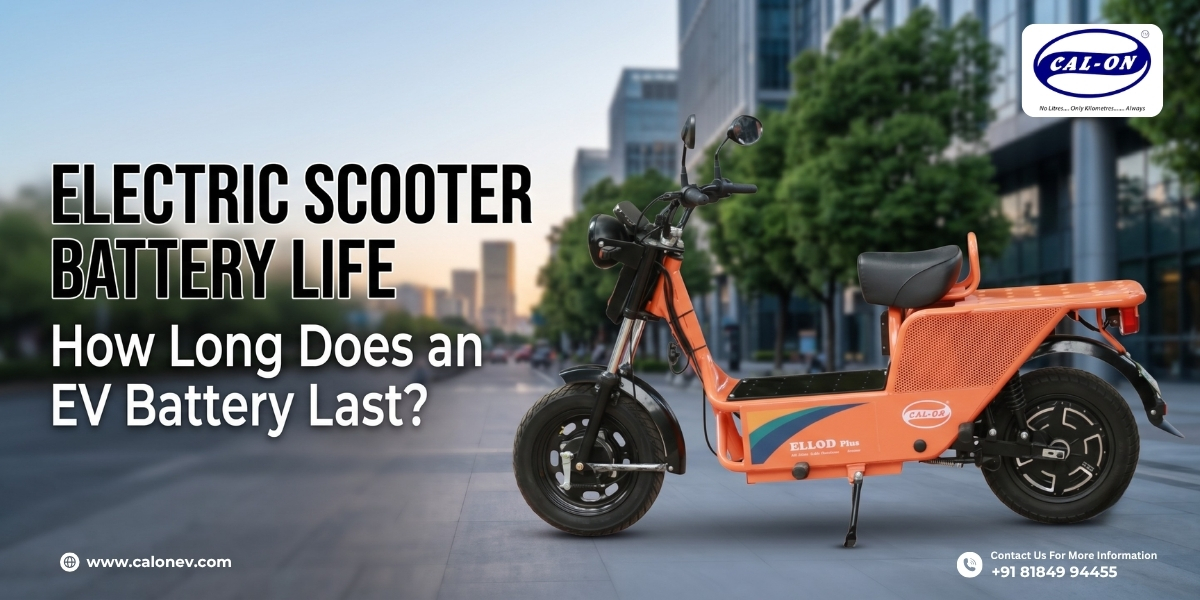
Electric scooters have quickly become a familiar sight on Indian roads. From daily office commutes and college rides to grocery runs and delivery work, electric two-wheelers are becoming a practical alternative to conventional petrol scooters. But when people consider buying an EV, one question often comes up before anything else: How long will the battery actually last?
The battery is one of the most important components of an electric scooter. It directly influences the vehicle’s range, performance, charging requirements, and long-term ownership cost. Unlike petrol vehicles, where you simply refill the tank, an electric scooter depends on a rechargeable battery pack that gradually experiences wear over time.
Understanding electric scooter battery life can therefore help you make a more informed purchasing decision and avoid unrealistic expectations about battery performance.
The good news is that modern EV batteries are designed to last for years when they are used and maintained properly. Battery technology has improved considerably, and manufacturers are paying greater attention to battery management systems, charging efficiency, thermal management, and overall durability.
In this guide, we’ll explore how long an EV battery can last, what affects its lifespan, how charging habits influence performance, what replacement may cost, and what you can do to get more years from your battery.
What Is Electric Scooter Battery Life?
In simple terms, electric scooter battery life refers to how long a battery can continue providing useful performance before its capacity drops significantly.
A new battery does not suddenly stop working after reaching a particular age. Instead, battery capacity gradually decreases. For example, a battery that originally provided a certain amount of range may eventually provide slightly less after several years of regular use.
This gradual reduction is normal.
Battery manufacturers generally assess battery durability through charging cycles. One charging cycle typically represents the equivalent of using 100% of the battery’s available capacity and then replenishing it. Importantly, this does not necessarily mean charging from 0% to 100% every time. If you use 50% today and recharge it, then use another 50% later, that can roughly add up to one complete cycle.
The actual lifespan depends on battery chemistry, usage patterns, charging habits, temperature, vehicle load, riding conditions, and battery management technology.
So, instead of asking for one fixed number of years, it is more useful to understand the conditions that influence battery degradation.
How Long Does an EV Battery Last?
So, how long does an EV battery last in practical everyday use?
There isn’t a single answer that applies to every electric scooter. A battery can remain useful for several years, but its performance depends heavily on how the scooter is ridden, stored, charged, and maintained.
Many modern electric scooters use lithium-based battery technology because it offers a good balance between energy density, weight, performance, and durability. With responsible usage, an EV battery can provide useful service for years before its available capacity becomes noticeably lower.
A rider who travels moderate distances every day and follows recommended charging practices may experience a very different battery lifespan from someone who repeatedly rides long distances under heavy loads, frequently exposes the scooter to extreme temperatures, or regularly allows the battery to reach very low charge levels.
Another important point is that battery degradation does not mean the scooter becomes unusable. Even after the battery loses some of its original capacity, the vehicle may continue operating normally, although its practical range between charges may decrease.
For buyers, this means battery durability should be viewed as a gradual performance curve rather than a simple expiry date.
Understanding Electric Scooter Battery Lifespan
The electric scooter battery lifespan is influenced by both time and usage. A battery that is several years old but lightly used may experience a different level of degradation compared with a battery that has been charged and discharged heavily every day.
Two major forms of aging are commonly discussed:
Calendar aging:
This refers to battery degradation that occurs simply as the battery gets older, even when it is not used heavily.
Cycle aging:
This refers to degradation associated with repeated charging and discharging.
Both happen naturally. However, good battery management can help slow the rate of degradation.
The quality of the battery cells also matters. A well-designed battery pack uses cells selected for consistent performance and may incorporate protection mechanisms to control temperature, voltage, and current.
The battery management system, commonly called a BMS, is particularly important. It monitors battery conditions and helps protect the pack from situations that could negatively affect its performance.
When purchasing an EV, it is therefore useful to look beyond advertised range figures and understand the manufacturer’s approach to battery technology, warranty, charging, and after-sales support.
How Long Does an Electric Scooter Battery Last in India?
The question how long does an electric scooter battery last becomes particularly interesting in India because riding conditions can vary significantly from one region to another.
Indian riders may experience hot summers, monsoon humidity, heavy traffic, stop-and-go riding, uneven roads, steep routes, and varying levels of vehicle load. All these conditions can influence battery performance.
For Indian customers, electric scooter battery life in India is therefore affected not only by battery technology but also by local usage conditions.
For example, a scooter used primarily for short urban trips may experience a different pattern of battery usage compared with a scooter used continuously for commercial deliveries. Likewise, a scooter parked outdoors in intense heat can experience different conditions from one stored in a shaded, ventilated location.
Riding style also matters. Frequent hard acceleration, high-speed riding, carrying heavy loads, and climbing steep roads can increase energy consumption.
This does not mean you need to ride extremely slowly or avoid using your scooter normally. It simply means that sensible riding habits can contribute to more consistent battery performance over the long term.
What Is the Typical EV Battery Lifespan?
The EV battery lifespan varies depending on the battery chemistry, design, riding conditions, charging habits, and maintenance practices.
One of the biggest misconceptions about electric vehicles is that the battery will suddenly fail after a fixed number of years. In reality, battery capacity generally declines gradually.
Imagine a battery that delivers excellent range when new. After years of use, its maximum usable capacity may decrease. The scooter can still function, but the rider may need to recharge more frequently.
Battery warranties can also provide useful information. Manufacturers may specify a period or mileage during which the battery is covered, sometimes subject to particular terms and conditions. Buyers should read the warranty carefully rather than assuming every battery-related issue is automatically covered.
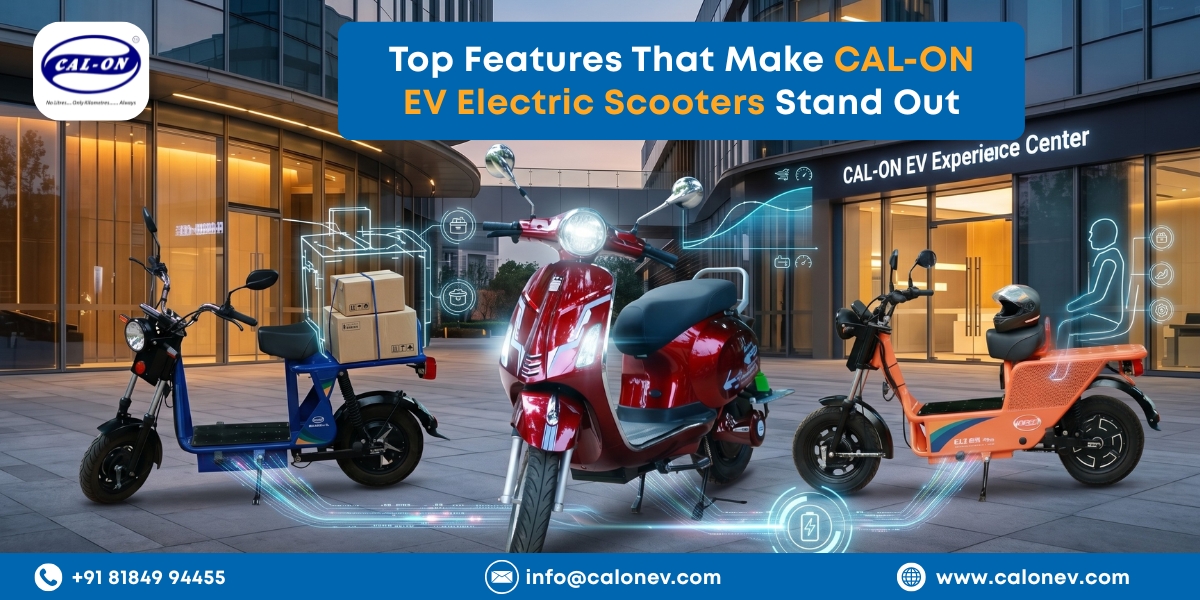
CAL-ON EV focuses on practical electric mobility solutions designed for everyday use. When evaluating an electric scooter, customers should consider not only the initial purchase price but also the expected running pattern, charging requirements, warranty support, and long-term service considerations.
Electric Scooter Battery Longevity: What Determines It?
Several factors influence electric scooter battery longevity. Understanding them can help riders avoid unnecessary battery stress.
1. Battery Chemistry
Different battery chemistries have different characteristics. Lithium-based batteries are widely used in modern electric mobility because of their energy density and rechargeability.
The exact chemistry used by a manufacturer can affect weight, charging behavior, performance, safety requirements, and durability.
2. Charging Habits
Charging habits have a direct relationship with long-term battery performance. Constantly exposing the battery to unsuitable charging conditions may accelerate degradation.
Following the manufacturer’s charging instructions is one of the simplest things a rider can do.
3. Temperature
Heat can be particularly challenging for batteries. Extremely high temperatures can accelerate chemical reactions inside a battery and contribute to degradation.
Whenever possible, avoid leaving an electric scooter exposed to intense heat for extended periods.
4. Riding Style
Aggressive acceleration, frequent high-speed riding, and heavy load conditions can increase energy consumption and place greater demands on the battery.
A smoother riding style can help improve efficiency and may reduce unnecessary battery stress.
5. Storage
If an electric scooter will not be used for an extended period, storing it according to the manufacturer’s recommendations is important.
Avoid leaving a battery completely empty for long periods, and don’t store the vehicle in unsuitable temperature conditions.
6. Battery Management System
A reliable BMS helps monitor battery parameters and provides protection against certain operating conditions.
This technology plays an important role in modern EV battery management.
What Are Electric Scooter Battery Charging Cycles?
Understanding electric scooter battery charging cycles makes it easier to understand battery degradation.
A cycle is not necessarily one plug-in session.
Suppose you use 30% of your battery on Monday and recharge it. Later, you use another 30% and recharge again. Eventually, the cumulative energy used can represent a substantial portion of a full cycle.
This is why frequent short charging sessions should not automatically be interpreted as full charging cycles.
The number of cycles a battery can tolerate depends on its chemistry, cell quality, operating conditions, depth of discharge, and charging strategy.
Modern battery management systems are designed to help control these conditions.
For everyday riders, the practical takeaway is simple: follow the manufacturer’s charging recommendations instead of obsessing over individual charging sessions.
Factors Affecting EV Battery Life
There are several factors affecting EV battery life, and most are related to everyday usage.
Some of the most important include:
- Extreme temperatures
- Frequent deep discharging
- Incorrect charging practices
- High vehicle loads
- Aggressive acceleration
- Excessive high-speed riding
- Poor storage conditions
- Frequent exposure to demanding terrain
- Battery age
- Battery chemistry
- Charging equipment and electrical conditions
- Quality of battery management technology
Road conditions can also make a difference. Riding continuously on steep roads, carrying heavy cargo, or operating in dense traffic can increase energy consumption.
For commercial users, especially delivery riders, these considerations can become even more important because the scooter may be used for long hours every day.
A good EV ownership strategy therefore begins with understanding how the scooter will actually be used.
How to Increase Electric Scooter Battery Life
If you’re wondering how to increase electric scooter battery life, the answer isn’t about following one complicated trick. Consistent everyday habits usually matter more.
Charge According to the Manufacturer’s Instructions
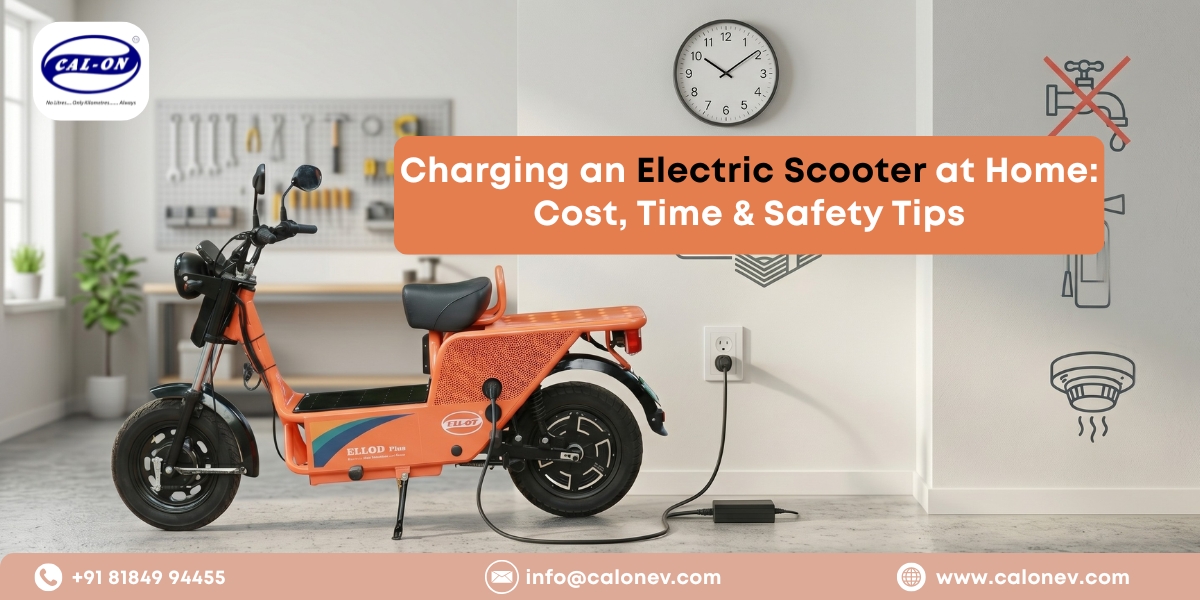
Always use the recommended charger and follow the manufacturer’s charging guidelines. Avoid experimenting with incompatible charging equipment.
Avoid Unnecessary Deep Discharges
Allowing the battery to repeatedly reach extremely low levels can increase stress depending on the battery system and operating conditions.
Instead, recharge according to the manufacturer’s recommended range.
Keep the Scooter Away from Extreme Heat
Parking in a shaded or appropriately ventilated location can help protect the battery from excessive environmental heat.
Ride Smoothly
Smooth acceleration and sensible speeds can reduce energy consumption. This is particularly useful for riders who want to maximize practical range during daily commutes.
Don’t Ignore Warning Signs
If you notice unusual battery behavior, unexpected range reduction, charging problems, or warning indicators, consult an authorized service professional.
Follow Long-Term Storage Guidelines
If you won’t be riding the scooter for an extended period, follow the manufacturer’s recommended storage procedure.
These small habits can collectively contribute to better long-term battery performance.
Electric Scooter Battery Life and Daily Riding Habits
Your daily routine can have a bigger impact than you might expect.
Consider two riders.
Rider A travels 15–20 kilometres each day, accelerates smoothly, parks in a shaded area, and follows recommended charging practices.
Rider B uses the scooter for demanding commercial work, frequently carries heavy loads, rides on steep roads, accelerates aggressively, and parks outdoors in high temperatures.
Both riders may own similar scooters, but their battery usage patterns are very different.
This is why advertised battery specifications should always be considered alongside real-world usage.
For commuters, efficiency can often be improved through smooth acceleration and proper tyre pressure. For delivery riders, planning charging intervals and avoiding unnecessary idling can help maintain productivity.
A practical understanding of electric scooter battery life allows riders to plan their ownership around their actual requirements rather than relying only on theoretical range numbers.
What Is the EV Battery Replacement Cost?
One concern for prospective EV buyers is the EV battery replacement cost.
Battery replacement pricing varies considerably depending on the scooter model, battery capacity, chemistry, cell quality, manufacturer, labour, and replacement procedure. There isn’t one universal price that applies to all electric scooters.
It is also important to distinguish between complete battery replacement and repair or replacement of individual components. The appropriate solution depends on the battery’s condition and the manufacturer’s service practices.
Before purchasing an electric scooter, customers should check:
- Battery warranty period
- Warranty conditions
- Battery capacity
- Replacement availability
- Authorized service support
- Expected maintenance requirements
- Manufacturer’s replacement policy
Looking at these details before purchase can help you understand the potential long-term ownership cost.
CAL-ON EV customers should refer to the applicable product documentation and authorized support channels for model-specific battery and warranty information.
Does Battery Capacity Affect Battery Life?
Battery capacity and battery lifespan are related, but they are not the same thing.
Capacity describes how much energy the battery can store. Lifespan refers to how long the battery remains useful.
A larger battery may provide more range per charge, but that doesn’t automatically mean it will last longer in years. Actual durability depends on cell chemistry, battery management, charging behavior, temperature, usage intensity, and other conditions.
Similarly, two batteries with similar capacity can have different long-term performance because of differences in cell quality and system design.
When comparing electric scooters, look at the entire battery system rather than focusing on one specification.
Signs That Your EV Battery May Need Attention
Battery degradation usually happens gradually, but there are signs that may indicate it is time to have the battery inspected.
These can include:
- Noticeably reduced range
- Unexpected battery percentage changes
- Charging interruptions
- Unusual charging behavior
- Battery-related warning messages
- Significant performance changes
- Unusual heating during charging or operation
A gradual reduction in range over several years can be normal. However, sudden or unusual changes should not be ignored.
If you experience a significant issue, contact an authorized service centre rather than attempting to open or repair a high-voltage battery pack yourself.
How Can Riders Maximize EV Battery Performance?
The easiest approach is to think about battery care as part of normal scooter ownership.
Keep your tyres properly inflated. Avoid unnecessary aggressive acceleration. Use the recommended charger. Follow the manufacturer’s charging instructions. Protect the scooter from extreme environmental conditions whenever possible.
For people using electric scooters for daily commuting, these habits can become automatic.
Commercial users should pay particular attention to workload. If a scooter is regularly carrying heavy loads or travelling long distances, the battery may naturally experience more frequent cycles than a lightly used personal vehicle.
This doesn’t necessarily mean the scooter is unsuitable for commercial use. Instead, it means buyers should select a model and battery configuration that match the intended workload.
Electric Scooter Battery Life: What Should Buyers Look For?
When purchasing an EV, don’t evaluate the battery solely on the basis of maximum range.
Ask questions such as:
What battery technology is used?
Understanding the chemistry can help you compare different vehicles.
What warranty is provided?
The battery is one of the most valuable components, so warranty coverage matters.
What charging system is recommended?
Know how long normal charging takes and what electrical requirements are involved.
What service support is available?
Easy access to authorized service can be important over the scooter’s ownership period.
What is the intended use?
A scooter designed for everyday commuting may have different priorities from one intended for commercial delivery operations.
CAL-ON EV provides electric mobility options intended for practical everyday transportation and utility applications. Buyers should always review the specifications and warranty applicable to the specific model they are considering.
The Future of EV Battery Technology
Battery technology continues to evolve. Manufacturers, researchers, and the wider automotive industry are working on improvements in energy density, charging speed, thermal management, durability, recycling, and cost.
As these technologies develop, electric vehicles are expected to become increasingly practical for different categories of users.
For consumers, this means today’s battery technology should not be viewed as the final stage of EV development.
At the same time, current battery systems are already capable of supporting years of everyday transportation when properly managed.
The most important thing for today’s EV owner is not waiting for a future battery breakthrough. It is understanding the battery technology in the vehicle they own and using it appropriately.
Final Thoughts
The answer to how long does an EV battery last depends on many variables, including battery chemistry, charging behavior, riding conditions, temperature, workload, storage, and overall vehicle design.
There is no universal expiry date for an EV battery. Instead, batteries gradually lose capacity over time, and responsible usage can help maintain useful performance for longer.
For Indian riders, understanding electric scooter battery life in India is especially important because climate, traffic, road conditions, and usage patterns can vary widely.
The good news is that battery care doesn’t have to be complicated. Use the recommended charger, avoid extreme conditions where possible, follow proper charging practices, ride responsibly, and pay attention to unusual battery behavior.
Whether you’re buying an electric scooter for commuting, personal transportation, or business use, understanding the battery is an important part of understanding the vehicle itself.
With thoughtful usage and proper maintenance, your EV battery can remain a dependable part of your everyday mobility for years.
Also Read: Noise-Free Riding: The Lifestyle Benefits of Electric Two-Wheelers – CAL-ON EV
Frequently Asked Questions (FAQs)
1. How long does an electric scooter battery last?
A: The answer depends on battery chemistry, usage, charging habits, temperature, and maintenance. Instead of expecting a fixed expiry date, riders should understand that battery capacity generally decreases gradually over time.
2. What affects electric scooter battery lifespan the most?
A: Charging habits, temperature, depth of discharge, riding style, battery chemistry, usage intensity, and storage conditions can all influence electric scooter battery lifespan.
3. Does frequent charging damage an EV battery?
A: Not necessarily. Charging frequency itself isn’t the only factor. The charging method, battery condition, temperature, and manufacturer’s recommended charging practices are more important considerations.
4. What are the most important factors affecting EV battery life?
A: The main factors affecting EV battery life include temperature, charging behavior, battery chemistry, riding conditions, load, storage, and battery management technology.
5. Can I improve my electric scooter battery longevity?
A: Yes. Following recommended charging practices, avoiding extreme temperatures, maintaining the scooter properly, and using smooth riding habits can support better electric scooter battery longevity.